
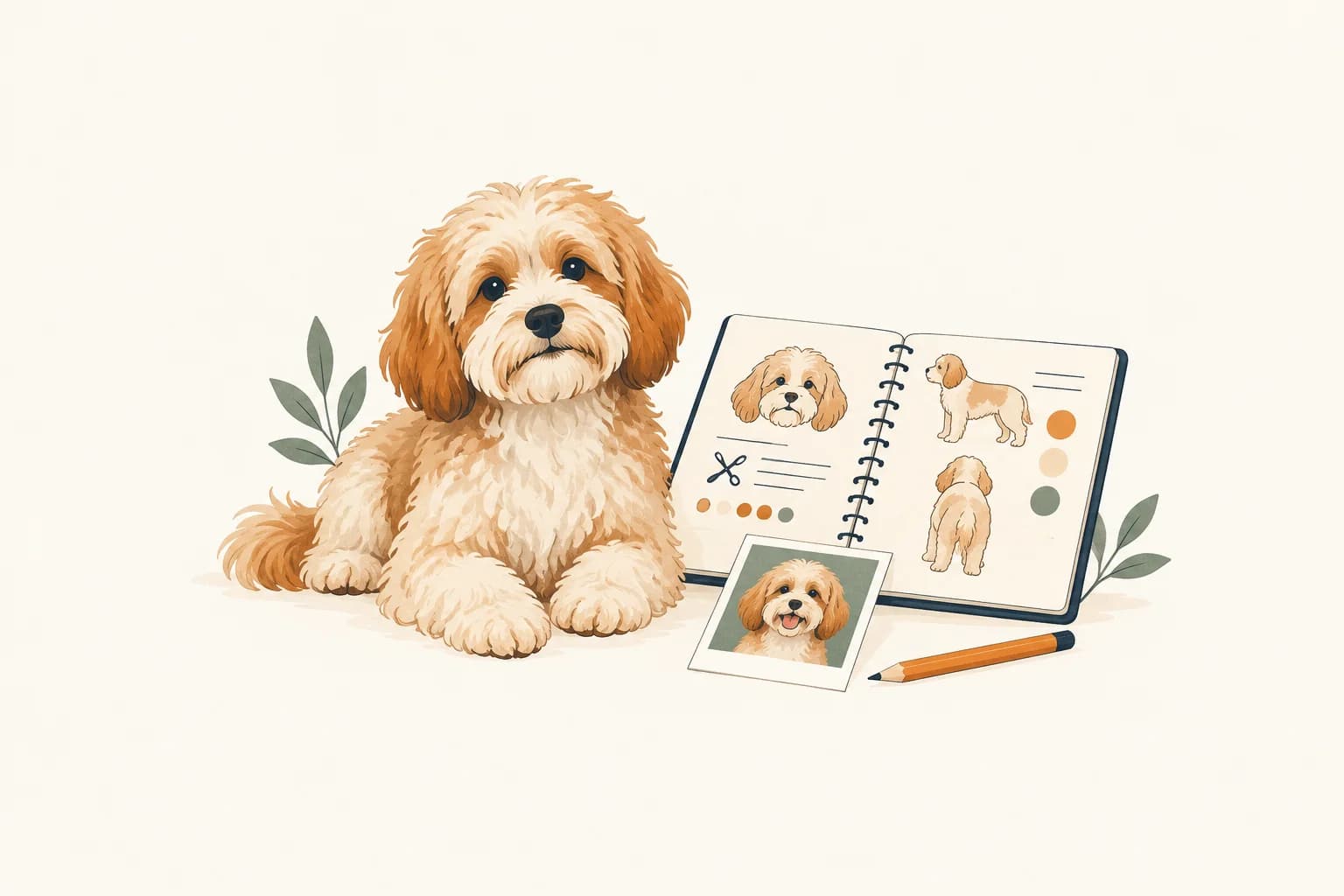
‘Same as last time, please.’ It is a familiar request in a grooming salon, but remembering every dog’s blade length, ear shape and shampoo is a lot to ask of anyone. When you see hundreds of pets a month, or a different groomer takes the next appointment, a clear record makes all the difference. Good notes turn a customer’s favourite finish into something the whole team can understand.
1. What missing notes cost your salon
An incomplete record does more than make you search for information. It can affect the appointment, the customer’s confidence and the way work is shared across your team.
- An inconsistent result: An owner who loved the previous cut may be disappointed when the next one looks different. Repeated uncertainty can give them a reason to try another salon.
- Longer conversations at check-in: Starting the same consultation from scratch at every visit takes time away from the rest of the day. Previous notes give you a useful starting point, while still leaving room to confirm what the owner wants now.
- Too much reliance on one groomer: If the person who remembers a pet is on holiday or leaves the business, that knowledge should still be available to their colleagues.
2. Five details worth recording after every groom
- Body and leg lengths: Write down the blade or comb attachment used on each area. A note such as ‘body: 5F; legs: 13 mm comb attachment; paw pads: #10’ is much clearer than ‘short all over’. These are examples of a record, not a blade recommendation for every pet.
- Head, ears and tail: Describe the shape as well as the length: for example, a teddy bear head, ears trimmed level with the jaw and a feathered tail. Include the owner’s preferences where they affect the finished look.
- Skin and coat observations: Record visible sensitivity, anything the owner has reported and the products actually used. Keep observations distinct from a veterinary diagnosis: ‘redness near left ear; fragrance-free shampoo used’ tells the next groomer what happened.
- Handling notes: Describe the pet’s response and what helped. ‘Uncomfortable when back paws were handled; calmer with a slow approach and quiet voice’ is more useful than a vague label such as ‘difficult’.
- A photograph of the finished groom: A clear side view and a photograph of the head can capture details that words miss. Keep them with the visit record so the team can find them at the next appointment.
3. Bring the history together in one pet record
Paper notebooks can become worn, go missing or make a familiar name surprisingly hard to find. Keeping the pet’s previous services, styling notes and photographs together gives the next groomer a practical reference on a phone or computer.
PatiPilot’s pet records help you carry that knowledge from one appointment to the next. Update the record while the details are fresh, then review it with the owner when the pet returns. A remembered preference is a small thing that can make the service feel much more personal.
Give your team a clearer picture of every returning pet. Explore PatiPilot’s pet records →